
Wishes
At Ambulance Wish Western Australia, we are honoured to support people in the final stage of life by helping them experience a meaningful last wish. For critically ill and immobile individuals, this may be a final visit to a special place, time with loved ones, or reconnecting with something that has brought joy and purpose throughout their life.
Our Final Wish Programme is founded on the belief that care does not end when medical treatment reaches its limits. Even when death is imminent, there remains an opportunity to provide comfort, dignity, and deeply personal moments of connection. Each wish is guided by the individual wherever possible, or identified in partnership with their family or clinical team.
Fulfilling a final wish can bring peace and reassurance to the person at the centre of the experience. It also provides families with a meaningful way to support their loved one, creating treasured memories during an otherwise difficult time. For clinicians, it offers the opportunity to give something beyond clinical care – a moment of humanity and compassion when it matters most..
By helping bring these wishes to life, we aim to create lasting memories and a sense of comfort that continues to support families and all those involved long after the day itself.
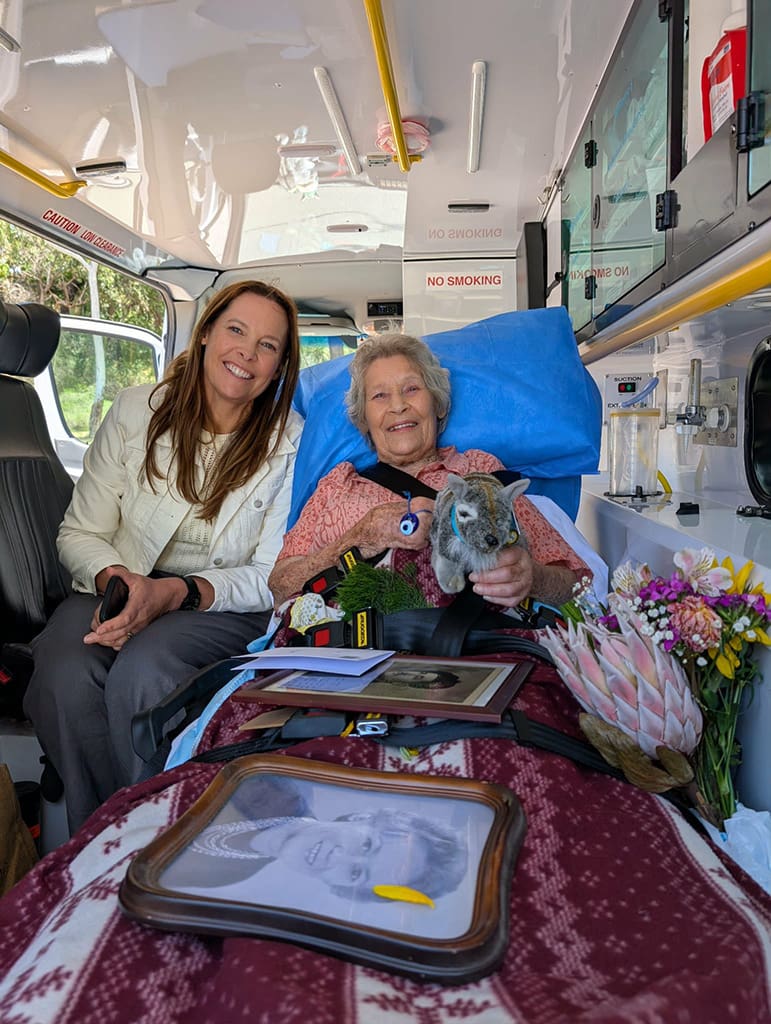
Despite remarkable advances in medicine, death remains a natural part of life. For individuals living with a life-limiting illness, this stage can bring profound emotional, physical and spiritual challenges. Illness can disrupt a person’s sense of identity, independence and connection, often leaving them feeling isolated at a time when connection matters most.
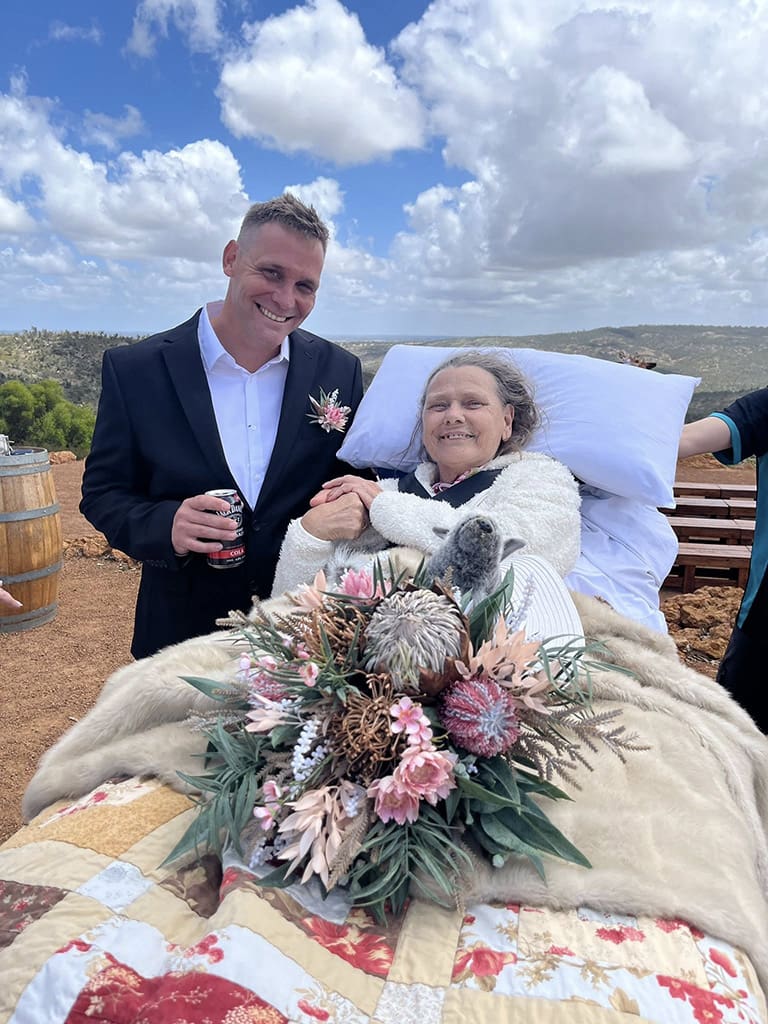
As the focus of care shifts from cure to comfort, the priority becomes making each day as meaningful and comfortable as possible. This stage – often supported through palliative care – may last days, months or even years, depending on the individual’s condition.
Palliative care is centred on quality of life. It supports people of all ages who are living with serious, progressive illness by preventing and relieving suffering, managing symptoms, and helping individuals and families navigate important decisions. Its purpose is not only to care for the person who is unwell, but also to support those who love them.
For many people, dignity at the end of life is deeply important. Alongside comfort and symptom relief, there can also be a desire for one more meaningful experience – something personal, joyful or symbolic. It may be holding a final art exhibition, sharing a favourite meal or drink, leaving love notes for family to find, or spending time with a beloved pet.
These moments may seem small, but they can bring connection, peace and a powerful sense of completion at a time when it matters most.
What would be your final wish?
Would you want to feel the ocean breeze on your face as waves roll onto the shore? Watch birds glide over open hills, or see sunlight filter gently through the trees and shimmer across the river?
Perhaps it’s about connection. Saying goodbye to a cherished family pet. Being present at your daughter’s wedding. Meeting a new grandchild for the first time. Sharing a final embrace with a sibling.
It might be one last day at home with Mum and Dad. A quiet visit to an art gallery, the zoo, or the rugby. Or standing once more at your husband’s graveside, reflecting on a lifetime of love.
Maybe it’s something simple but deeply personal — an afternoon shopping with your sister, tea with your mum, visiting a classic car show, or saying goodbye to a beloved horse.
Whatever the wish, however big or small, these moments matter.
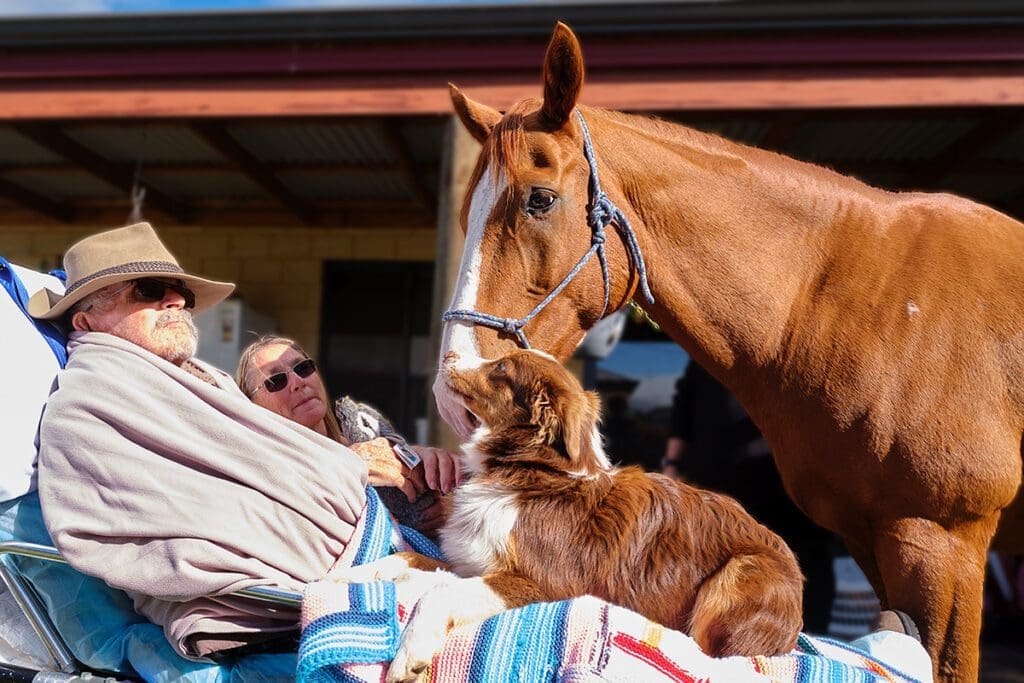
how wishes come to life?
1. Deciding on the wish
A wish begins with a heartfelt idea – something meaningful that brings comfort, joy or closure to a person facing a life-limiting illness. It could be a simple experience, a long-held dream, a visit with family or a special outing – whatever is most important to the wish recipient.
2. Submitting a request
Once the wish is decided, the next step is submitting a Wish Request via the online form. This form asks for basic information about the person, their wish, and any important details that will help the team understand the request.
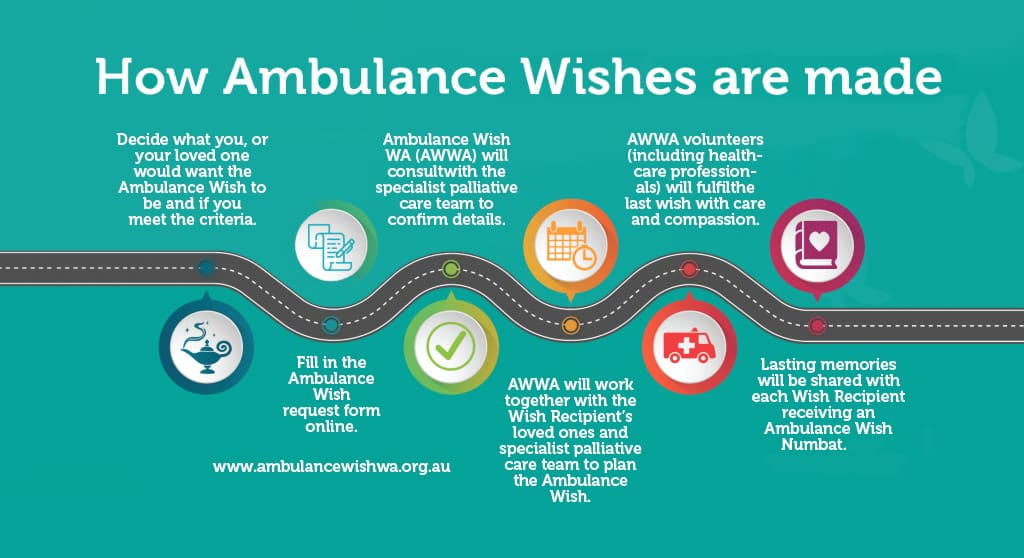
3. Wish review and planning
After the form is submitted, the Ambulance Wish Western Australia Wish Planners carefully review the request. They take the time to speak with the person making the nomination, the patient (where appropriate), and their family or support team. This helps them fully understand the wish, any health or logistical needs, and the best way to make it happen.
Once all details are gathered, the Wish Planners begin organising every aspect of the experience. This includes:
Setting a date and location
Coordinating transport, equipment or special requirements
Arranging any activities, venues or special guests
Ensuring safety and comfort for the wish recipient at every step
4. Preparing the volunteer team
Ambulance Wish Western Australia is supported by a dedicated team of trained volunteers, many of whom are healthcare professionals. Once the wish is planned, these volunteers are briefed on the details and prepared to support the day’s events. They bring compassion, professionalism and genuine care to every wish they help fulfil.
5. Fulfilling the wish
On the day of the wish, the volunteer team works together to ensure everything runs smoothly. They take care of all transport logistics, assist the wish recipient throughout the experience, and provide support to family members and carers. Their goal is to make the day as joyful, comfortable and stress-free as possible.
6. After the wish
Once the experience is complete, the Ambulance Wish WA team often follows up to hear how the day went and to share in the joy of someone’s treasured memories. These reflections help the organisation continue improving and celebrating the impact of every fulfilled wish.
F.A.Q.
Final wishes
Recipient has a terminal diagnosis and is currently receiving palliative care or end-of-life care (usually in the last year of life).
Recipient requires specialist transport to visit their place of personal significance due to logistical/ transport barriers or medical needs.
All wishes are free. It is one of the few requirements of Ambulance Wish charities, that the wish recipient or their family are not charged for their wish.
While wishes have been successfully organised and fulfilled within 24 hours, more notice increases the likelihood of arranging suitably qualified volunteers to undertake the wish. While those in end-of-life care often require wishes to be organised within 1-2 days, we would recommend having final wish conversations earlier than later.
The attending clinician needs to approve the wish to ensure it is safe for the wish recipient to undertake considering their health and diagnosis. The clinician may also need to arrange extra medication or equipment for the duration of the wish.
We have a variety of experienced volunteers who accompany the wish recipients. These include Medical Practitioners, Registered Nurses and Paramedics, ambulance officers and palliative care volunteers.